Updated
Forecasting market fluctuations for 2024-2025 and the outlook for Masan Group stock price.
August 01, 2024

Vietnam has emerged as a magnet for investments, even amidst global economic uncertainties. This article explores seven compelling factors that make Vietnam an irresistible destination for foreign corporations seeking to thrive in a dynamic market. From its strategic location to its rich resources, growing consumer base, and favorable investment climate, Vietnam presents a plethora of opportunities for those looking to invest in Vietnam. Its youthful and dynamic workforce, coupled with active participation in international trade agreements, solidifies its position as a premier investment hub.
In recent years, despite global economic and political uncertainties, Vietnam has continued to attract foreign direct investment (FDI). Prominent conglomerates and businesses in Vietnam, such as Masan Group, have received FDI from investors worldwide, including South Korea, Japan, and the UAE.
The positive trend is that foreign investors maintain their trust and expectations in the Vietnamese market. According to the European Chamber of Commerce in Vietnam (EuroCham), the confidence of European corporations to invest in Vietnam has rebounded, driven by Vietnam's inflation control, macroeconomic stability, and government efforts in monetary and fiscal policy management.
Data from the Japan External Trade Organization (JETRO), published in February 2023, also reflects positive evaluations by Japanese investors regarding investment and business prospects in Vietnam. Approximately 60% of surveyed companies indicated plans to expand their operations in Vietnam within the next 1-2 years, leading within ASEAN and trailing only behind India and Bangladesh in the region.
According to the latest figures from the Ministry of Planning and Investment, as of August 20, 2023, total registered capital for new licenses, adjustments, capital contributions, and share purchases by foreign investors reached nearly USD 18.15 billion, up 8.2% compared to the same period last year and a 3.7% increase over the first 7 months of the year. What drives global investors to continuously pour their capital into the Vietnamese market recently? Let's explore 7 favorable points for foreign corporations to invest in Vietnam:
With its strategic geographical location, Vietnam is an attractive destination for foreign investment. Situated in the heart of Southeast Asia, it is close to major markets like China, India, and ASEAN countries, facilitating trade and exports. With its extensive coastline and important seaports such as Hai Phong, Da Nang, and Ho Chi Minh City, it offers advantages for cargo transportation. With over 3,260 kilometers of coastline, Vietnam's potential for tourism development, diverse landscapes, rich cuisine, and indigenous culture also appeal to foreign investors. Vietnam also boasts a well-developed infrastructure system, including modern roads, railways, and airports, creating favorable conditions for business and logistics operations.
Additionally, a variety of industrial zones and export-processing zones across provinces and cities provide a conducive environment for production and investment. Apart from Hanoi and Ho Chi Minh City, many provinces of Vietnam have been also well-known for their industrial zones, such as Bac Ninh, Thai Nguyen Binh Duong, Dong Nai, attracting corporations from all over the world like Samsung, Hyundai, Honda, Toyota, Pouyuen, come to invest in Vietnam, creating millions of jobs.
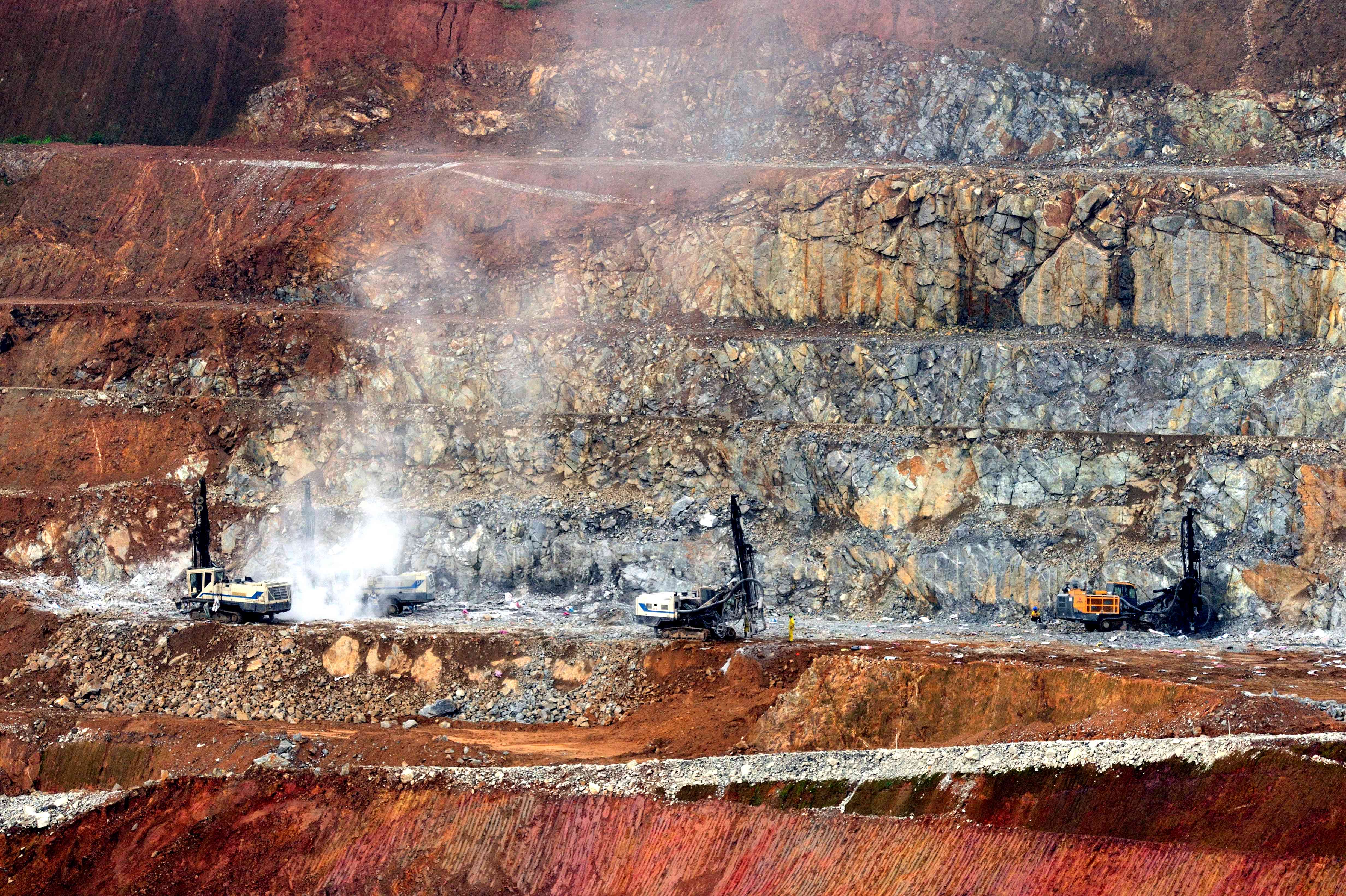
Since the exploration of offshore oil in the 1970s, Vietnam has become a net crude oil exporter. In addition to oil and gas reserves, coal reserves, and hydroelectric exploitation provide other readily available energy sources. Vietnam's mineral resources include iron ore, tin, copper, lead, zinc, nickel, manganese, gemstones, titanium, tungsten, bauxite, graphite, mica, silica sand, and limestone. Among the precious metal mines mentioned above, Nui Phao polymetallic mine, owned by Masan High-Tech Materials, a subsidiary of the Masan Group, located in Dai Tu district, Thai Nguyen province, is known for having the largest reserves in the country and the third largest in the world.
Furthermore, Vietnam plays a significant role in exporting agricultural products to the world market, being the world's largest exporter of black pepper, the second-largest exporter of coffee and rice, and the third-largest exporter of cashew nuts, among other products. Vietnam’s agricultural products also includes tropical fruits like mangoes, dragon fruit, and bananas, along with a range of vegetables. Its abundant seafood offerings comprise shrimp, catfish, and other marine products. Renowned seaports like Hai Phong, Da Nang, and Ho Chi Minh City provide the infrastructure for import and export activities, making it an attractive destination to invest in Vietnam's thriving agricultural and export sectors..
Over the past decade, Vietnam has consistently maintained a high GDP growth rate above the global average, remaining stable at around 5.9%, largely unaffected by the COVID-19 pandemic. The decisions to invest in Vietnam benefits from the growing consumer market with over 99 million people (estimated by the United Nations in 2023), driving demand for diverse products and services. Notably, this economic growth has led to a significant increase in income levels, creating a new middle class, mainly concentrated in urban areas, and forming financial investment in Vietnam for foreign investors.
According to McKinsey, over 30 million Vietnamese consumers now belong to this middle class, showcasing increased purchasing power and aspirations. Vietnam's economy is also transitioning from a labor-intensive model to one based on innovation and technology, opening up new opportunities. PwC's survey titled "Vietnam Global Consumer Behavior Report - Consumers Adapting to a Changing Market," released in April, reflects this trend, with 66% of Vietnamese consumers expressing optimism about their financial prospects. This optimism drives consumer trends towards improving lifestyles, such as tourism, entertainment, and premium products, making it a promising time to invest in Vietnam's consumer-driven market.
After nearly 50 years of peace and development, the country has become a trusted destination for foreign corporations to invest in Vietnam due to its political stability and consistency. While neighboring countries with similar development levels face political and social instability, Vietnam remains a shining example chosen by foreign investors for its stability and security.
Vietnam is a single-party state governed by the collective leadership of the Communist Party General Secretary, the Prime Minister, and the State President. Party policies are determined every five years by the Party Congress and adjusted twice a year by the Central Committee's plenary sessions.
The government is the highest state administrative agency, responsible for implementing and managing political, economic, cultural, social, defense, security, and diplomatic activities of state agencies. Next in the hierarchy are ministries responsible for exercising state power in specific industries and fields. People's Committees (at the provincial, district, and commune levels) oversee governance within their administrative regions, managing, directing, and implementing daily operations of local state agencies and enforcing policies from higher-level People's Councils and state agencies.
During the recent COVID-19 pandemic, the effective management by the government and the unity of the Vietnamese people helped the country achieve success in controlling the disease, maintaining business and production activities.
The Vietnamese government provides several incentives for foreign corporations to invest in Vietnam, including:
A 10% tax rate applies for 15 years, with an exemption for the first 4 years and a 50% reduction in the tax payable for the following 9 years for FDI enterprises investing in economically and socially challenging areas, economic zones, and high-tech zones. Additionally, corporate income from projects in specific fields such as environmental protection, high technology, high-tech agriculture, education and training, socialization, etc., also enjoys these incentives.
Foreign businesses are exempt from tax on temporarily imported, re-exported, or temporarily exported, re-imported goods and are eligible for tax refunds and reductions as stipulated by law. The Vietnamese government also waives taxes on certain imported goods used for establishing fixed assets in investment projects in areas with import tax incentives or projects funded by Official Development Assistance (ODA).
Government incentives for FDI investors include exempting land and water surface rental fees for the entire lease period and land and water surface rental fees for a certain period after basic construction.
Industrial zones and economic zones are two areas eligible for investment incentives under Article 22, Decree 35/2022/ND-CP. FDI investors are entitled to deduct expenses related to investment, construction, operation, purchase, and lease of housing, service facilities, and public utilities for workers from their taxable income. For FDI investors with investment projects in industrial zones and economic zones, relevant state agencies provide administrative procedures related to investment, enterprises, land, construction, environment, labor, and trade in a "one-stop, on-the-spot" mechanism. They also assist the investors in labor recruitment and other related matters during project implementation to invest in Vietnam.
Vietnam's population currently ranks 15th globally and is in the "golden population structure" phase, with a high proportion of working-age individuals. According to demographers, this structure occurs when the population aged 15 to 64 (the potential workforce) accounts for 66% or more of the total population.
During this period, estimated to last around 30-35 years, Vietnam has a unique opportunity for economic and social development. As of the end of 2022, Vietnam's working-age population ratio is 67.5%, corresponding to about 67.5 million people with the current population of approximately 100 million. However, 73.8% of those in the working-age group lack technical or professional qualifications, with only 26.2% having technical or professional qualifications (elementary, intermediate, college, or university degrees).
Consequently, the average income is relatively low, creating a competitive environment, especially in industries requiring a large labor force such as textiles, footwear, and mobile phone manufacturing.
Vietnam's workers are known for their diligence and commitment, making them an asset for businesses seeking cost-effective and productive labor. This abundant labor force, coupled with government initiatives for skills development, underscores Vietnam's attractiveness to FDI, as it ensures a stable and capable workforce to meet evolving market demands.
The Vietnamese government is actively bolstering human capital development for the digital economy. Initiatives focus on improving digital literacy, technical skills, and fostering innovation. Investment in education and vocational training programs is increasing, aligning with the country's commitment to becoming a digital and tech-savvy nation. These efforts not only empower the Vietnamese workforce to participate in the digital economy but also make Vietnam an attractive destination for technology-driven investments, strengthening its position in the global market.

An indication of Vietnam's openness to the global economy is its increasing participation in trade agreements aimed at liberalizing business markets to invest in Vietnam. According to the WTO and Integration Center (VCCI), as of August 2023, Vietnam has participated in 16 Free Trade Agreements (FTAs), strengthening its position as a dynamic player in international trade. These agreements cover a wide range of countries and regions, facilitating trade and investment for the nation.
One of the significant agreements is the ASEAN Free Trade Area (AFTA), which promotes economic cooperation among ASEAN member states, creating a single market and production base. The European Union-Vietnam Free Trade Agreement (EVFTA) stands out as a landmark deal that enhances trade relations with the EU, one of the world's largest markets.
Additionally, Vietnam has entered into bilateral agreements with key partners like the United States, China, Japan, and South Korea. These agreements aim to reduce trade barriers, improve market access, and foster economic growth. Vietnam has also participated in the Comprehensive and Progressive Agreement for Trans-Pacific Partnership (CPTPP) and the Regional Comprehensive Economic Partnership (RCEP), demonstrating its commitment to regional economic integration, covering numerous nations and bolstering trade opportunities. Vietnam's involvement in these FTAs has positively impacted its economy, promoting exports, attracting foreign investment, and facilitating economic growth. These agreements serve as a testament to Vietnam's openness to global trade and commitment to enhancing its economic competitiveness on the world stage.
Read more:
Invest in Vietnam’s tea and coffee market