Exploring Vietnam investment opportunities

As one of Southeast Asia's fastest-growing economies, Vietnam offers a diverse array of Vietnam investment opportunities. Especially, its robust economic growth, strategic location, skilled workforce, and trade agreements have positioned Vietnam as an attractive destination for investors in manufacturing and exportation.

Vietnam’s favorable investment environment

Vietnam has maintained robust economic growth over the past decade, positioning itself as one of the fastest-growing economies in the region. Despite being hit by the COVID19 pandemic, Vietnam's economy is outperforming most emerging countries of its scale and attractiveness, with a positive 2.58% GDP growth rate in 2021 and a good position to return to its norm of 6% annual growth rate in 2022, and it offers a solid business climate and a vision for its future. In fact, many businesses are turning to Vietnam as a safer or second Asia investment option for certain types of manufacturing, product assembly and other downstream services, rather than countries like China. For  those seeking Vietnam investment opportunities, the country's economic resilience and growth potential make it an attractive destination. Vietnam has gained a competitive edge over China in certain aspects due to recent disruptions in the global supply chain, trade shocks, border closures, lockdowns in various countries, and increased labor costs.
Vietnam's location offers access to key Asian markets, including China, Southeast Asia, and India. This strategic positioning makes it an ideal hub for businesses aiming to tap into regional and global supply chains. Besides, with a population exceeding 100 million, Vietnam boasts a large and youthful workforce. This demographic advantage provides a significant labor pool for various industries, especially manufacturing and technology.
The Vietnamese government also has been actively encouraging foreign investment to invest in Vietnam through liberalized regulations, tax incentives, and a simplified business registration process. This openness creates a favorable environment for international investors. Vietnam's participation in free trade agreements like the Comprehensive and Progressive Agreement for Trans-Pacific Partnership (CPTPP) and the EU-Vietnam Free Trade Agreement (EVFTA) grants businesses preferential access to numerous markets, reducing trade barriers. With political stability, Vietnam offers crucial investment opportunities for business continuity and investor confidence. The government's commitment to economic reforms and its consistent efforts to attract foreign investment contribute to this stability.

Potential industries for Vietnam investment

Manufacturing and Export-Oriented Industries

Electronics and Technology: It is the fact that there are a lot of Vietnam investment opportunities when many global technology giants are setting up production facilities here. The export of electronic goods continues to grow, making this a lucrative sector for investment.
Textiles and Garments: The textile and garment industry is a significant contributor to Vietnam's exports. The country's skilled workforce and favorable trade agreements make it an attractive sector for investment.

Automotive Manufacturing: With the rise of domestic consumption and regional demand, the automotive industry is gaining traction. Both vehicle assembly and auto parts production offer investment potential.

Technology and Innovation

Vietnam Investment Opportunities in Information Technology (IT) and Software Development: Vietnam's technology industry is flourishing, with a growing number of startups and software development companies. Investments in IT services, software, and digital platforms can yield substantial returns.
E-commerce and Digital Services: Another Vietnam investment opportunity is E-commerce – a market is rapidly expanding, driven by increased internet penetration and changing consumer behavior. Investments in online marketplaces, logistics, and payment solutions are promising.

Renewable Energy and Green Technologies

Solar and Wind Energy: Vietnam's commitment to renewable energy is creating investment opportunities for solar and wind power projects. Investors can benefit fr om government incentives and the country's transition towards cleaner energy sources.

Energy Efficiency Solutions: The demand for energy-efficient technologies and solutions is growing. Investments in energy-efficient appliances, systems, and infrastructure align with sustainability goals.

Agriculture and Agribusiness

Exploring Vietnam Investment Opportunities in Aquaculture and Seafood Processing: Vietnam is a leading exporter of seafood. Investments in aquaculture and seafood processing facilities can capitalize on the country's abundant marine resources.

High-Value Agricultural Products: The production and export of high-value agricultural products, such as fruits, vegetables, and coffee, present opportunities for investment and value addition.

Financial Services and Fintech

Banking and Financial Services: As Vietnam's economy grows, so does the demand for banking and financial services. Investment in banking, insurance, and financial products can cater to an expanding middle class.

Fintech Innovation: The adoption of digital payments and financial technology solutions is on the rise. Vietnam investment opportunities in fintech startups and digital payment platforms align with changing consumer preferences.

Healthcare and Pharmaceuticals

Medical Services: Investments in hospitals, clinics, and specialized medical services can meet the rising demand for quality healthcare services.

Pharmaceutical Manufacturing: The demand for pharmaceutical products is increasing. Vietnam investment opportunity in pharmaceutical manufacturing can help meet domestic and regional needs.

Challenges and Mitigation Strategies

While Vietnam offers attractive Vietnam investment opportunities, it's important to be aware of the challenges that investors may encounter.
Regulatory Complexity and Bureaucracy
Challenge: Navigating Vietnam's regulatory environment can be complex and time-consuming, with varying procedures and documentation requirements.
Mitigation: Partner with legal experts and local consultants who are well-versed in Vietnamese regulations. Establish clear communication with relevant government agencies to ensure compliance.

Infrastructure Gaps

Challenge: While Vietnam is investing in infrastructure, gaps remain in areas like transportation networks, energy supply, and logistics.
Mitigation: Conduct thorough due diligence on infrastructure availability and access before investing. Consider locations that align with your business needs and wh ere infrastructure development is progressing.

Cultural and Language Differences

Challenge: Cultural nuances and language barriers can affect effective communication and business relationships.
Mitigation: Build a diverse team that includes local professionals who understand the cultural context. Invest in cross-cultural training to foster understanding and collaboration..

Case studies of enterprises grasping Vietnam investment opportunities successfully

Intel's Semiconductor Manufacturing:
Intel's investment in Vietnam's semiconductor manufacturing contributed to the country's reputation as a competitive electronics manufacturing destination. The facility produced microprocessors and other integrated circuits for global markets. This investment not only created jobs and skilled employment opportunities but also enhanced Vietnam's technological capabilities in the semiconductor industry.

Nestlé's Food Processing

Nestlé's investments in Vietnam included a factory producing instant coffee, culinary products, and infant nutrition. The company's commitment to quality, sustainability, and local sourcing resonated well with Vietnamese consumers. The investments contributed to local job creation, export growth, and the development of a strong local supply chain.

Nike's Footwear Manufacturing

Vietnam became a key manufacturing location for Nike's footwear products. The company's investments created a significant number of jobs in the footwear industry and contributed to the growth of Vietnam's export sector. The success of Nike's operations in Vietnam demonstrated the country's capacity to produce high-quality products for global markets.

KKR ‘s investment in Masan Group and member companies

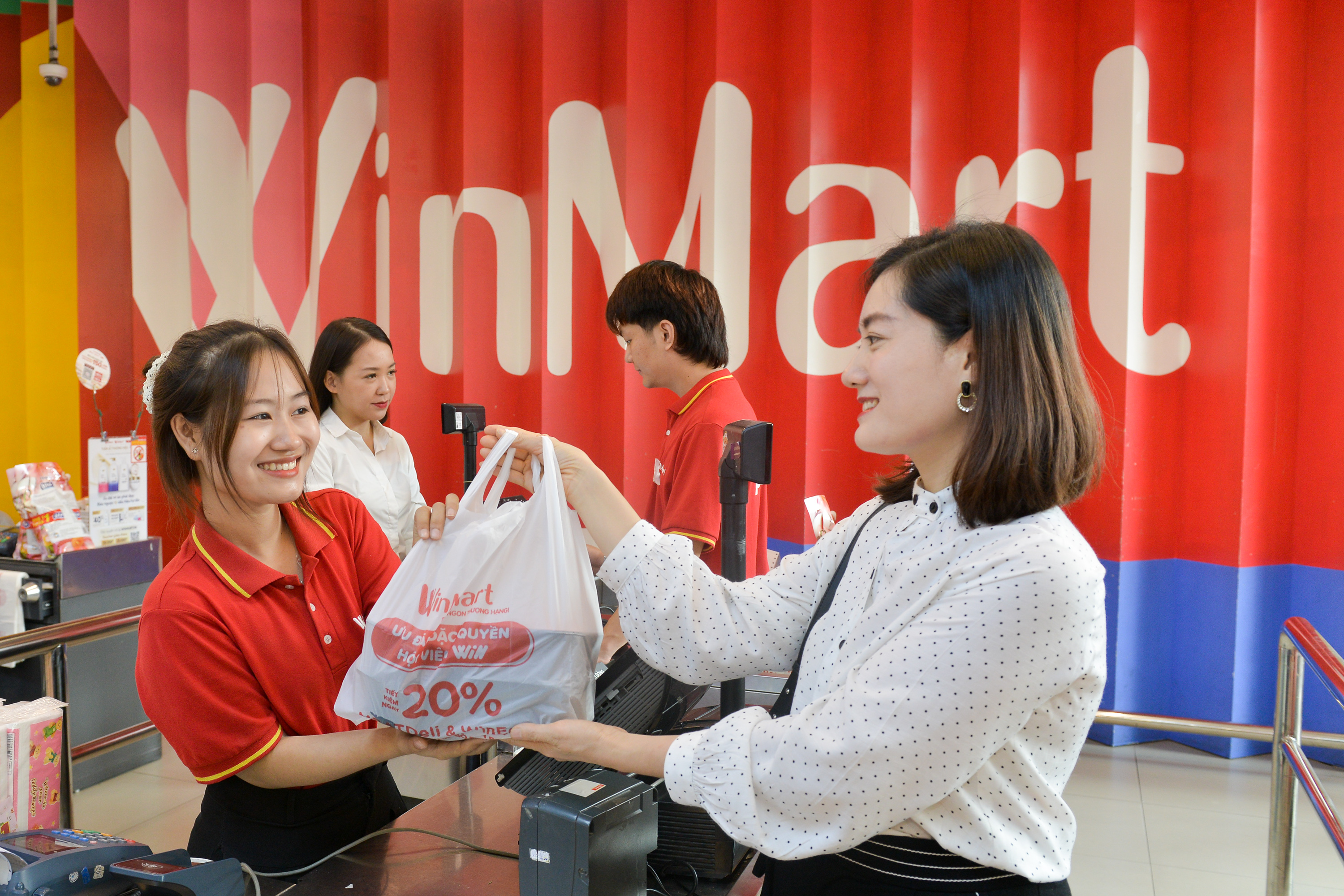
KKR, a global investment firm, invested in Masan Consumer Holdings (MCH), a subsidiary of Masan Group, in 2011. KKR invested $200 million for a minority stake in MCH. This investment helped accelerate the growth and expansion of MCH's consumer goods business, including popular brands like "CHIN-SU" and "Nam Ngu." In 2017, KKR and Masan Group entered into definitive agreements to invest a total $250 million in Masan Group and in its branded meat platform, Masan Nutri-Science (formerly Masan MEATLife).

Grab in Vietnam

Grab invested heavily in Vietnam's ride-hailing and food delivery markets through acquisitions and expansions. Grab's Vietnam investment opportunity allowed it to dominate the ride-hailing and food delivery sectors. The company's acquisition of Uber's Southeast Asian operations in 2018 solidified its position. Grab's investments also contributed to the growth of the gig economy and provided income opportunities for thousands of drivers and delivery partners in Vietnam.