Updated
Forecasting market fluctuations for 2024-2025 and the outlook for Masan Group stock price.
August 01, 2024


Vietnam, a country known for its stunning landscapes, rich culture, and thriving economy, is emerging as a promising destination with Vietnam investment opportunities for real estate investment. Despite the impact of post Covid-19 and economic stagnation, but with a diverse range of opportunities across various segments, the Vietnamese real estate market is still drawing the attention of local and international investors alike. This article deep dive into the opportunities that abound in the Vietnamese real estate market, exploring the factors that influence it and providing insights into how investors can capitalize on its potential.
The real estate market is one of many Vietnam investment opportunities, and can be broadly classified into residential, commercial, and industrial sectors. The quantity of real estate projects in Vietnam has witnessed a remarkable surge in recent years, reflecting the country's rapid economic growth. Urbanization, population expansion, and increasing consumer demands are driving the need for more residential, commercial, and industrial spaces.
The demand for housing in Vietnam has been on a steady rise due to factors such as rapid urbanization, population growth, and increasing affluence. According to data from the General Statistics Office of Vietnam, the urbanization rate has climbed steadily, reaching approximately 41.7% in 2022 and driving the need for more residential units in urban areas.
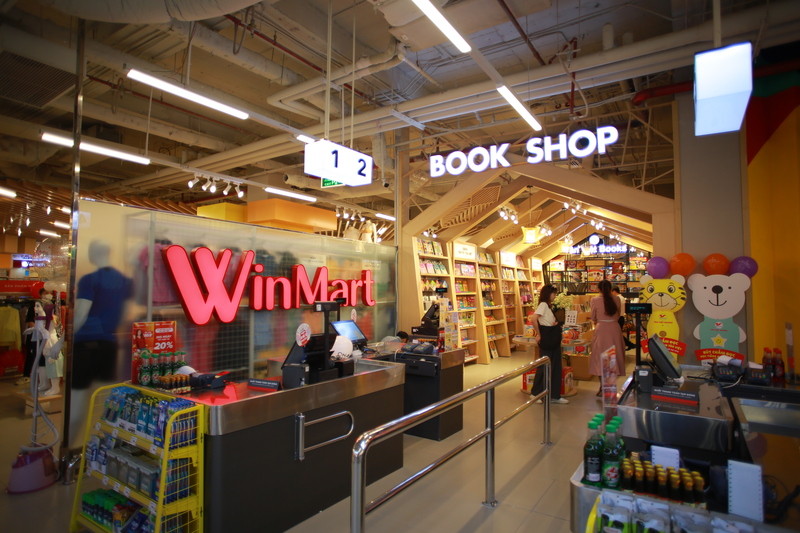
Vietnam's prosperous economy has led to a surge in business activities, both domestic and foreign, fostering a growing demand for commercial spaces. The retail sector, in particular, has witnessed significant expansion, with modern shopping malls and commercial complexes becoming prominent features of urban landscapes. In 2022, the total retail sales of consumer goods and services in Vietnam reached over $240 billion USD, highlighting the robust commercial activity and its impact on the real estate sector - a potential Vietnam investment opportunities.
Vietnam's emergence as a manufacturing hub in Southeast Asia has spurred the demand for industrial real estate. The country's strategic location, skilled labor force, and favorable investment climate have attracted numerous multinational corporations to set up manufacturing facilities. This has translated into a rising demand for industrial and logistics spaces. According to Savills Vietnam, the industrial and logistics real estate market in Ho Chi Minh City witnessed strong growth, with leasing transactions reaching a total of nearly 600,000 square meters in the first quarter of 2023.
Vietnam's real estate landscape has undergone a dramatic evolution, fueled by urbanization, population growth, and economic prosperity. The robust demand for residential, commercial, and industrial spaces has propelled the surge in real estate projects across the country. As Vietnam continues to position itself as a key player in the global economy, its real estate sector remains a dynamic and promising investment destination for both local and international investors.
Vietnam's economic stability is underscored by impressive macroeconomic indicators. With an average annual GDP growth rate of around 6% over the last decade, Vietnam is one of the fastest-growing economies in the Asia-Pacific region. This growth is mirrored by the real estate sector's performance - a potential Vietnam investment opportunities.
Vietnam's inflation rate has been kept in check, averaging around 3-4% annually, indicating a well-managed monetary policy. Such stability fosters an environment conducive to long-term investment planning. The government's commitment to economic reforms and attracting foreign investment further bolsters investor confidence.
The high demand for housing, driven by rapid urbanization and population expansion, presents a compelling opportunity for residential real estate investors. According to the World Bank, Vietnam's urban population has increased by over 3% annually, making it one of the most rapidly urbanizing countries in the region. This urbanization trend translates to a growing need for housing in urban centers, especially among the burgeoning middle class.
As urbanization accelerates, so does the demand for rental apartments and offices. The rise of urban workers and the growth of various industries create a robust market for rental properties. In major cities like Ho Chi Minh City and Hanoi, the demand for modern, well-equipped office spaces has surged, driven by both local enterprises and multinational corporations establishing a presence in Vietnam. Notably, Grade A office occupancy in Ho Chi Minh City was 95% in 2022, highlighting fervent demand.
The tourism industry is another driving force behind the demand for hospitality-related properties. Vietnam's tourism sector has witnessed substantial growth, with international arrivals increasing by approximately 8% annually. This growth spurs the demand for hotels and short-term rental properties, especially in popular tourist destinations like Da Nang and Nha Trang.
Vietnam's real estate market shows resilience. Amid COVID-19, domestic tourism makes up the hotel demands, while remote work reshapes office needs. Overall, urbanization and tourism present a promising climate to invest in Vietnam for investing in rentals, offices, and hospitality properties.
Vietnam's enchanting coastal areas hold immense potential for resort real estate investment. With a coastline stretching over 3,260 kilometers and a tropical climate, the country offers a year-round vacation appeal. The steady influx of domestic and international tourists to destinations like Phu Quoc, Da Nang, and Nha Trang has spurred the development of luxury resorts, villas, and beachfront properties.
In recent years, Vietnam has witnessed a surge in the number of high-end resort developments. For instance, the integrated resort project in Phu Quoc, featuring a range of luxury amenities and entertainment options, has attracted significant attention and investment.
Statistics echo this trend. Right before Covid-19, Vietnam's tourism recorded over 16 million international arrivals in 2019, with Phu Quoc alone witnessing a 74% growth in international arrivals compared to the previous year. The appeal is clear: the pristine coastlines, combined with the country's growing popularity, render Vietnam's resort real estate sector a dynamic and promising investment arena.
Vietnam's business-friendly policies and openness to foreign investment have positioned it as an attractive destination for foreign investors. The real estate sector has been a recipient of substantial foreign direct investment (FDI), particularly in industrial real estate. According to the Ministry of Planning and Investment, FDI inflows into real estate reached approximately $4.45 billion USD in 2022, accounting for around 16% of total FDI.
Foreign investors are drawn to Vietnam's competitive labor costs, strategic location within global supply chains, and its emergence as a manufacturing powerhouse. The industrial and logistics real estate segment, catering to this manufacturing surge, has witnessed significant growth, with the demand for factory and warehouse spaces on the rise. Notably, Vietnam's participation in free trade agreements like the Comprehensive and Progressive Agreement for Trans-Pacific Partnership (CPTPP) and the EU-Vietnam Free Trade Agreement (EVFTA) enhances its appeal.
The industrial and logistics real estate segment, together with this manufacturing surge, has encountered exponential expansion. The escalating demand for factory and warehouse spaces underscores this growth. Statistics reflect this momentum, with Vietnam becoming a notable player in global exports. In 2021, the country ranked 22nd in the world by export volume, further substantiating its role in the international trade arena.

Vietnam's commitment to infrastructure development is evident through a multitude of projects aimed at enhancing connectivity and mobility. The development of highways, expressways, ports, and airports has been a priority. For instance, the construction of the North-South Expressway, a giant infrastructure project, is set to improve transportation between major cities and regions.
These infrastructure developments contribute to the appreciation of property values in well-connected areas. Properties located near these projects stand to benefit from increased accessibility, making them attractive options for both investors and end-users.
This correlation between infrastructure and property value appreciation is palpable in various global examples. A study by the National Association of Realtors in the United States found that proximity to public transportation can contribute to a substantial premium in property values. Similarly, China's high-speed rail network has contributed to a surge in real estate demand and values in cities along its routes.
In Vietnam, this phenomenon is gaining momentum. Properties next to infrastructure hubs like ports, airports, and expressways have witnessed increased demand, thereby driving appreciation. As the nation's commitment to infrastructure flourishes, the real estate market, particularly in well-connected areas, stands poised to reap substantial benefits. This synergistic relationship between infrastructure expansion and property value escalation bolsters Vietnam's attractiveness to investors and underscores the nation's holistic approach to development. Therefore, real estate is considered one of many good vietnam investment opportunities.
Despite of economic stagnation due to global uncertainties in the first half of 2023, the investment opportunities for real estate is still promising with the governmental proactiveness in introducing policies to address challenges in the real estate sector. Measures such as relaxing foreign ownership regulations and promoting housing development for low-income groups have bolstered investor confidence. The Law on Construction and the Housing Law amendments have facilitated smoother investment processes. Furthermore, efforts to simplify administrative procedures and improve transparency have streamlined the investment landscape. Initiatives such as tax breaks and financial support for homebuyers have boosted market activity. While the pandemic's impact persisted, Vietnam's successful pandemic management and strategic vaccination campaigns have inspired confidence in the overall recovery path.
Promising indicators point toward a robust recovery and growth for real estate market, one of many vietnam investment opportunities. The government's commitment to infrastructure development, urbanization, and industrialization is bolstering demand for various real estate segments. Urbanization remains a consistent driver, with increased urban population leading to heightened demand for residential, commercial, and mixed-use properties.
As the global economy gradually rebounds, foreign direct investment is anticipated to increase, further stimulating the real estate sector. The strategic geographical location of Vietnam within global supply chains enhances its appeal for industrial and logistics real estate investments.
Additionally, the government's focus on sustainable development aligns with emerging trends in eco-friendly and smart real estate. Investors capitalizing on these trends stand to benefit not only financially but also in contributing to the nation's long-term growth.
In conclusion, among Vietnam investment opportunities, real estate investment landscape remains promising in the face of challenges. The proactive policy environment, supported by infrastructure development and strategic actions, is poised to drive the recovery and development of the sector. As the year progresses, the anticipated resurgence of the global economy and continued government support are expected to catalyze the growth of Vietnam's real estate market, presenting numerous opportunities for investors.
Investing in Vietnam's real estate market presents a promising opportunity for high profits due to the country's rapid economic growth and increasing urbanization. By implementing well-informed strategies, investors can navigate the market effectively and capitalize on the potential gains. Here are some key strategies to consider:
In-depth market research is crucial before making any investment decisions. Gain an understanding of the specific real estate segment (residential, commercial, industrial) and the location you're interested in. Analyze historical market trends, demand-supply dynamics, and the potential for future growth. For instance, Vietnam's urban population is projected to grow significantly, driving demand for housing and commercial spaces.
Collaborating with local real estate experts and developers can provide valuable insights into the market intricacies. These partnerships offer a deep understanding of local preferences, regulations, and cultural hints that might not be apparent from an outsider's perspective. Local partners can also assist with identifying prime investment opportunities and navigating regulatory procedures smoothly.
As with any investment, diversification is key to mitigating risks. Instead of focusing solely on one segment, consider spreading your investment across different real estate sectors. By diversifying your portfolio, you can reduce the impact of market fluctuations in any single sector. For instance, you might allocate funds to both residential and commercial properties to balance potential risks.
Familiarize yourself with Vietnam's real estate laws and regulations. Legal frameworks can vary between countries, and having a solid understanding of the local laws will help you avoid potential consequences and legal complications. Ensure that your investments comply with local ownership regulations, leasing laws, and taxation rules. This understanding will contribute to a smooth and legally sound investment process.
Real estate investment in Vietnam often yields better results over the long term. While short-term gains are possible, a patient and strategic approach is crucial. Property values tend to appreciate steadily as the economy grows and demand increases. Investors who adopt a long-term vision can benefit from both rental income and capital appreciation. This approach aligns well with the country's ongoing development and urbanization.
Investing in Vietnam's real estate market can yield high profits if approached strategically. Conduct thorough research, establish local partnerships, diversify your portfolio, understand the legal landscape, and maintain a long-term perspective. With the country's economic growth and urbanization trends, Vietnam's real estate market holds substantial potential for investors seeking lucrative opportunities.